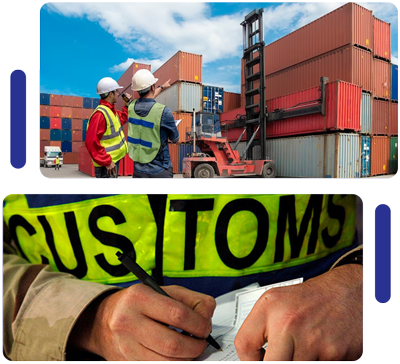
Customs clearance is a crucial step in international trade as it ensures that goods can
move smoothly through customs checkpoints, allowing them to reach their intended
destinations. The process is typically managed by customs brokers or freight forwarders
who have the necessary expertise and knowledge of customs regulations and procedures.
The customs clearance process involves several key steps. These include:
-
Documentation: Importers or exporters must provide the necessary documentation to
customs authorities, including commercial invoices, packing lists, bills of lading,
and certificates of origin. These documents help determine the nature of the goods,
their value, and their origin.
-
Customs Duties and Taxes: Customs duties, tariffs, and taxes may be imposed on
imported or exported goods. Importers or exporters are responsible for calculating
and paying these fees to the customs authorities. The amount payable is often based
on factors such as the value of the goods, their classification, and any applicable
trade agreements or preferences.
-
Compliance Checks: Customs authorities may conduct inspections or checks to verify
the accuracy of the declared information. This may involve physical examination of
the goods, verification of the documentation, or assessment of compliance with
specific regulations or restrictions, such as those related to health, safety, or
intellectual property.
-
Customs Declaration: Importers or exporters are required to submit a customs
declaration form, which provides details about the goods being imported or exported.
The customs declaration serves as an official statement of the goods' value,
classification, and other relevant information.
-
Release of Goods: Once the customs authorities have reviewed and approved the
documentation, payment of duties and taxes, and compliance checks, the goods are
released for onward transportation or delivery to the intended recipient.
Enquire Now